Why Prince Andrew Needs to Testify About Epstein’s Island
When power meets darkness, silence isn’t neutrality—it’s protection.
Introduction
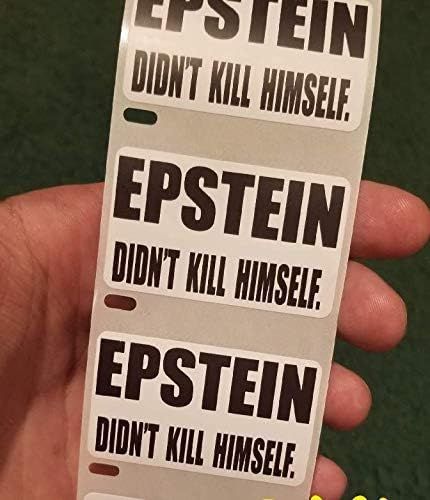
If you want to understand how power protects itself, study the Epstein story. Not the memes. Not the “client list” fever dreams. The actual record: an international trafficking operation, years of enabling, institutions looking away, and a long trail of people who benefited from proximity to Epstein while pretending they were just passing through.
That’s why Prince Andrew still matters in this saga—because he wasn’t some random name on a cocktail napkin. He was royalty. He was access. He was prestige. He was legitimacy.
And here’s the part people keep dodging: this isn’t about declaring guilt on Twitter. It’s about accountability in daylight. If Prince Andrew has nothing to hide, then testifying is the cleanest way to end the evasions, close the loops, and put facts on the table. The public has been asked to “move on” for years while the questions remain the same. That’s not how justice works.
That’s how cover works.
This is also political—not partisan, but political in the most basic sense: Who gets investigated? Who gets pressured? Who gets excused? Who gets protected by borders, titles, and “dignity,” while victims get grilled like defendants? In a functional system, status does not reduce scrutiny. It increases it.
The case for testimony isn’t “cancel culture”—it’s basic due process
People hear “Prince Andrew should testify” and they immediately run to the two lazy extremes:
- “He’s guilty—lock him up.”
- “He’s innocent—leave him alone.”
Both reactions skip the adult middle: Ask questions, compel clarity, verify the record, and let the chips fall where they fall.
Testimony is not a conviction. It’s not a punishment. It’s a mechanism. It’s what we do when serious allegations exist, when relationships with convicted criminals are documented, and when the public interest is obvious. Andrew has been at the center of that for years, including a major civil case brought by Virginia Giuffre that he denied and ultimately settled out of court, with no admission of wrongdoing.
Settlements don’t prove guilt. They also don’t prove innocence. They prove one thing: the parties decided not to litigate it to verdict. When the allegations are this serious and the associations are this notorious, choosing silence as the final word isn’t “closure.” It’s a vacuum—and vacuums get filled with speculation.
So no, the push for testimony isn’t a mob. It’s the simplest route to facts.
“But he’s not American” is not a moral shield
A big practical problem is jurisdiction. A U.S. congressional committee can ask for an interview, request documents, and apply public pressure—but Congress can’t easily compel a foreign national who’s outside the U.S. to show up and testify. That’s not a conspiracy. That’s reality.
But “we can’t force him” is not the same as “he shouldn’t.” Voluntary testimony is still testimony. A recorded interview under oath, a sworn deposition, written answers with documentary support—there are options. And if he actually wants to clear his name, cooperating is how grown-ups do it.
We already know U.S. prosecutors and the FBI sought an interview with Andrew during the Epstein investigation years ago. So the idea that he’s some peripheral bystander nobody ever cared about doesn’t match the public record.
When the system can’t compel cooperation, the next-best tool is transparency: put the person in the light and ask the questions anyway. If he refuses, then the refusal becomes part of the record. That’s not unfair. That’s accountability.
Why Epstein’s island keeps coming up
Let’s say something clearly: “Epstein Island” isn’t a theme park of internet rumors. It refers to Little St. James in the U.S. Virgin Islands—one of the properties tied to Epstein’s trafficking operation and public reporting about how he moved and abused victims. The island became symbolic because it captures the structure of the scandal: money creates a private world, private worlds create private rules, and private rules create victims.
The island matters because it’s a visual representation of what elite impunity looks like—an offshore playground where normal standards don’t apply, and where “important people” can show up, leave, and later claim they didn’t see anything. That “didn’t see anything” defense is exactly why the public keeps demanding receipts.
And yes, this is also why new document releases matter. The U.S. Department of Justice has been releasing a large volume of Epstein-related records, reportedly in the millions of pages, under new transparency pressure and legal mandates. When the state itself is saying, “We’re putting more of this into the open,” it’s absurd to argue that high-profile witnesses should remain permanently insulated from questions.
The real reason testimony matters: power laundering
Epstein didn’t just traffic girls. He trafficked legitimacy.
His entire brand was proximity to the powerful—royalty, politicians, financiers, celebrities, academics. Whether some of those people were complicit, naive, or opportunistic varies by individual. But the system-level reality is the same: Epstein used prominent relationships to make himself untouchable.
That’s why Andrew isn’t just “another name.” A prince standing next to Epstein is not neutral. It’s a halo effect. It tells everyone else: “This guy is safe. This guy is connected. This guy is accepted.”
That’s the strategic value of elite association, and it’s why elite witnesses don’t get to wave it off as meaningless later. If your status helped normalize a predator, you owe the public clarity about what you knew, when you knew it, and why you stayed close.
And if you’re innocent, testimony is a weapon for innocence—because it replaces innuendo with sworn answers.
What Prince Andrew should be asked—specific, not sensational
If this is going to be serious, it can’t be a tabloid circus. It has to be structured.
Here are the categories that matter:
- Timeline and contact
When did he meet Epstein? How often did they meet? Where? Who introduced them? What communications exist? Do the dates line up with known events in Epstein’s criminal history? - Post-conviction relationship
One of the most damning optics—regardless of guilt—is contact after Epstein’s 2008 conviction. The public reasonably asks: Why maintain a relationship with a convicted sex offender? And if the answer is “I didn’t,” that can be tested against records. - Travel, locations, and witnesses
Which properties did Andrew visit (if any), who was present, what was the purpose, and what documentation supports the claims? This is not “gotcha” territory. It’s basic corroboration. - Knowledge and reporting
What did Andrew know about Epstein’s conduct, and what did he do with that knowledge? Did he warn anyone? Did he distance himself? Did he ask questions? Did he accept Epstein’s denials at face value? - The civil case and the settlement
He denied Giuffre’s allegations and settled the suit. The public interest question is not “prove guilt on TV.” The question is: Why settle rather than litigate to verdict, and what facts does he dispute in detail?
Notice what’s not on this list: internet fan fiction, anonymous “lists,” and guilt-by-headline. Testimony should be about verifiable facts.
The “authorities” fallacy: why titles and credentials don’t end the discussion
One of the most common tricks in public scandal management—especially when elites are involved—is the appeal to authority.
“Nothing to see here, he’s a prince.”
“Nothing to see here, he denied it.”
“Nothing to see here, insiders say…”
“Nothing to see here, the palace handled it.”
That’s not evidence. That’s social pressure.
In logic, appealing to authority becomes fallacious when it substitutes status for proof—when the “authority” is used to shut down legitimate questions rather than answer them.
And here’s the uncomfortable truth: elites rely on that reflex. They rely on ordinary people being trained to think, “Well, surely they wouldn’t…” and “They’d never allow…” and “Someone would’ve stopped it…”
Epstein is the proof that “someone would’ve stopped it” is one of the dumbest phrases in modern life.
So no, “he’s royalty” is not a shield. It’s a reason to ask harder questions.
The PR pattern that keeps failing
Prince Andrew’s public handling of this has been a case study in what not to do. The backlash to his public explanations—especially the infamous tone-deafness of earlier messaging—helped solidify public suspicion. He later stepped back from public duties amid rising pressure connected to Epstein.
I’m not pointing that out to score points. I’m pointing it out because it reinforces why testimony matters. When public communication is evasive or contradictory, sworn testimony becomes the corrective.
The goal isn’t humiliation. The goal is clarity.
Why the limelight is necessary
People complain: “Why drag this into the spotlight? Why keep talking about it?”
Because darkness is where these systems thrive.
The Epstein network operated for years in plain sight, protected by money, intimidation, and institutional cowardice. Ghislaine Maxwell was convicted for her role in facilitating the abuse of minors and sentenced to 20 years in federal prison. That didn’t happen because everyone bravely confronted the truth early. It happened because eventually the pressure overcame the protection.
The limelight isn’t cruelty. It’s disinfectant.
If powerful people learn that silence and status will eventually outlast public interest, the lesson becomes: wait it out. Hide behind borders. Let the victims age. Let the headlines move on.
Keeping this visible changes incentives. It tells every high-status bystander in the next scandal: you don’t get to ride out accountability on a yacht.
The political meaning of this moment
Again, not partisan. Political.
The Epstein story is about unequal accountability. The rich get delays, settlements, “misunderstandings,” and reputational management. The victims get skepticism, character assassination, and lectures about moving on.
That’s why it matters when elected officials and public institutions apply pressure. Recently, UK Prime Minister Keir Starmer publicly said Andrew should testify before a U.S. congressional committee in connection with Epstein-related scrutiny. Whether you like Starmer or not is irrelevant. The point is that public pressure is increasing because the public is sick of selective accountability.
And it’s also why document releases matter. When governments release large batches of records, it indicates that the story is not “over.”
“Why him?” Because he’s the perfect test case
If a prince can avoid meaningful questioning forever, then the system is broken.
If the world’s most recognizable institution—British royalty—can shrug and say “foreseeable future” and just wait out scrutiny, then every other powerful person learns the same strategy.
Prince Andrew is not the only figure worth examining in the Epstein orbit. Not even close. But he is the cleanest illustration of the status problem. If accountability can reach a man of that rank, it can reach anyone. If it can’t, then “equal justice” is a slogan for regular people.
A fair standard: cooperate or explain your refusal
Here’s my bottom line:
If Prince Andrew has information relevant to Epstein’s trafficking operation, he should provide it—under oath—on the record.
If he doesn’t, he should still testify—because that’s how you establish the lack of knowledge and close the questions with more than palace statements.
And if he refuses, then he should explain exactly why—without hiding behind “dignity” and “privacy” while victims have been stripped of both.
That’s not vengeance. That’s accountability.
Why This Matters
Because the next Epstein is already out there.
Predators don’t succeed because they’re clever. They succeed because institutions and elites decide that confronting them is inconvenient. They succeed because powerful bystanders calculate that silence is safer than truth. They succeed because people confuse titles with virtue and status with innocence.
Dragging this into the open—and insisting that high-profile witnesses answer serious questions—is how you reduce the odds of a repeat. Not eliminate. Reduce.
Sunlight doesn’t guarantee justice. But it’s the one thing Epstein’s world depended on not having.
References
ABC News. (2020, January 7). Federal prosecutors in New York and FBI ask to interview Prince Andrew as part of Epstein investigation. https://abcnews.go.com/US/federal-prosecutors-york-asked-interview-prince-andrew-part/story?id=68563925
Al Jazeera. (2026, February 1). UK PM Starmer urges ex-Prince Andrew to cooperate in Epstein files probe. https://www.aljazeera.com/news/2026/2/1/uk-pm-starmer-urges-ex-prince-andrew-to-cooperate-in-epstein-files-probe
The Guardian. (2019, November 20). Prince Andrew to step back from public duties “for foreseeable future”. https://www.theguardian.com/uk-news/2019/nov/20/prince-andrew-to-step-back-from-public-duties-for-foreseeable-future
The Guardian. (2022, February 15). Prince Andrew and Virginia Giuffre reach settlement in principle. https://www.theguardian.com/uk-news/2022/feb/15/prince-andrew-and-virginia-giuffre-reach-settlement-in-principle
The Guardian. (2025, November 6). US House panel requests interview with Andrew in Jeffrey Epstein inquiry. https://www.theguardian.com/us-news/2025/nov/06/epstein-andrew-interview-house-oversight-committee
Insurance Journal. (2022, February 15). Prince Andrew settles sexual abuse claim for undisclosed sum. https://www.insurancejournal.com/news/national/2022/02/15/654182.htm
U.S. Department of Justice, U.S. Attorney’s Office, Southern District of New York. (2022, June 28). Ghislaine Maxwell sentenced to 20 years in prison. https://www.justice.gov/usao-sdny/pr/ghislaine-maxwell-sentenced-20-years-prison-conspiring-jeffrey-epstein-sexually-abuse
Justia. (2024, September 17). United States v. Maxwell, No. 22-1426 (2d Cir. 2024). https://law.justia.com/cases/federal/appellate-courts/ca2/22-1426/22-1426-2024-09-17.html
PBS NewsHour. (2026, January 31). Justice Department releases largest batch of Epstein documents totaling 3 million pages. https://www.pbs.org/newshour/nation/justice-department-releases-largest-batch-of-epstein-documents-totaling-3-million-pages
Reuters. (2026, January 31). UK’s Starmer says ex-Prince Andrew should testify before Congress over Epstein ties. https://www.reuters.com/world/uk/uks-starmer-says-ex-prince-andrew-should-testify-before-congress-over-epstein-2026-01-31/
Stanford Encyclopedia of Philosophy. (n.d.). Fallacies. https://plato.stanford.edu/entries/fallacies/
Disclaimer:
The views expressed in this post are opinions of the author for educational and commentary purposes only. They are not statements of fact about any individual or organization, and should not be construed as legal, medical, or financial advice. References to public figures and institutions are based on publicly available sources cited in the article. Any resemblance beyond these references is coincidental.