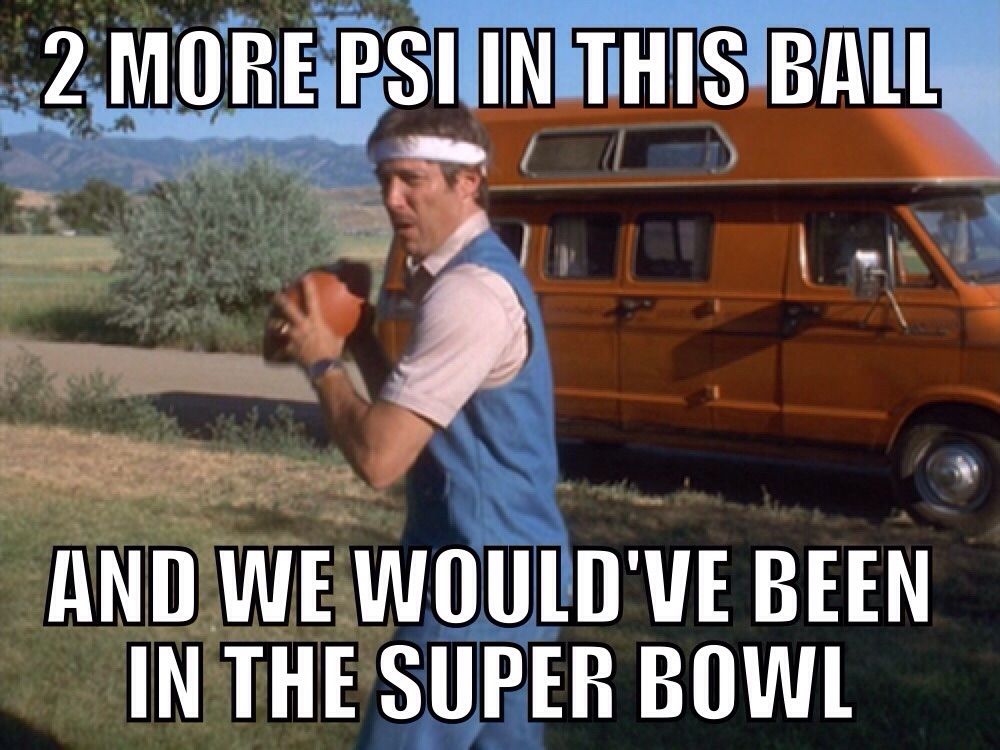
Here is the rule the NFL actually enforces. You can cheat. You can get caught. You can pay the fine, sit out the suspension, hand over the draft pick. And the trophies still ship on time. That is not a conspiracy theory. That is the business model, stated plainly by the league's own precedent across two of the most scrutinized cheating cases in professional sports history. The NFL punished the Patriots for Spygate and Deflategate. It punished Brady. It did not touch the rings, the banners or the record book. When you punish the act and protect the crown, you are not defending integrity. You are managing optics and hoping the fans are too emotionally invested in the championships to do the math.
What the Punishments Actually Proved
The league did not pretend nothing happened, and that is worth acknowledging before the argument goes further. Spygate in 2007 produced the maximum individual fine for Belichick at $500,000, a $250,000 fine against the organization and the loss of a first-round pick. Deflategate produced Brady's four-game suspension, which survived a messy appeals process, along with further organizational penalties. These were real consequences, not symbolic slaps. The problem is not that the NFL failed to punish. The problem is the single thing it consistently refused to touch: the championships. Punish the behavior, protect the reward. That is the formula. And once you understand that the formula is intentional rather than accidental, the rest of the league's enforcement posture makes complete sense.
The NFL rulebook contains language for extreme situations under Rule 17 - "extraordinarily unfair acts" - that theoretically allows the Commissioner to take corrective action including reversal of game results in egregious circumstances. Fans reliably cite this provision whenever the league gets caught looking the other way. The league reliably ignores it. When the Saints-Rams NFC Championship no-call in 2019 generated lawsuits and genuine national outrage, Commissioner Goodell's position was essentially that the result stood. That response tracks perfectly with every other major officiating controversy in league history. The provision exists. It functions as a release valve for fan frustration. It has never been used to alter a significant result. The gap between what the rulebook says is possible and what the league is actually willing to do tells you everything about institutional priorities.
Why the NFL Will Never Strip a Title
Stripping a championship is a grenade the league is not willing to pull the pin on, for reasons that are entirely rational from a business perspective even if they are indefensible from an integrity standpoint. The brand depends on the permanence of the championship. Every Super Bowl banner hanging in every stadium is a revenue-generating piece of mythology, and mythology requires that the record be treated as sacred. The moment you acknowledge that a championship can be taken back, you invite scrutiny of every championship - and in a league that has documented cheating across multiple franchises in multiple eras, that scrutiny does not stop at the obvious cases. You also open legal exposure from players, coaches and franchises who built contracts, endorsements and Hall of Fame cases on championship credentials that are now in question. Strip one ring and you are not making a principled statement. You are pulling a thread on a sweater that the entire enterprise is made of.
So the league has developed a penalty menu that stings enough to look serious and costs enough to be memorable, but that does not touch the ultimate reward: fines, suspensions, draft picks. A penalty you can price. A penalty you can survive. A penalty that lets the trophies keep shipping on time. The Pottsville Maroons had their 1925 NFL championship claim stripped, but that was a different league in a different century and the precedent has been carefully not replicated since. Modern NFL does not live in that world and has no intention of returning to it.
When you punish the behavior and protect the crown, you are not defending integrity. You are managing optics and hoping the fans love the championships more than they hate the cheating. So far, the bet has paid off.
The Hall Is Where the Stink Can Still Stick
The NFL can punish, spin and move on by the following Tuesday. The one place where reputation can still take a hit the league cannot PR away is the Hall of Fame voting process, and the 2026 cycle illustrated this with unusual clarity. Belichick did not get in on the first ballot despite being by any statistical measure one of the most successful coaches in the history of the sport. The blowback from that decision was loud and immediate, with some voters publicly defending their votes and others calling for changes to the process. Whether keeping Belichick waiting is the right outcome is a separate argument that reasonable people can make in different directions. The point is that the Hall is currently the only venue left in professional football where the shadow of a coaching career's off-field decisions can produce a concrete consequence that the league itself is unwilling to impose.
Brady and Belichick belong in the conversation about the greatest players and coaches in NFL history. The wins are real. The championships are real. The sustained excellence across two decades is documented and not in dispute. What is also real is the context in which some of those wins occurred and the league's own findings about conduct that contributed to that record. The honest way to handle that in the Hall is not to pretend the context does not exist. It is to put them in - because their careers merit it - while acknowledging plainly what the record shows. Call it the Bonds Wing if you want a shorthand. The greatness is real. So is the shadow. Pretending otherwise insults both the achievement and the people who competed against them.
My Bottom Line
Fans are not just buying entertainment when they invest in the NFL. They are buying the belief that the scoreboard is real - that the team holding the trophy earned it within the rules everyone else was playing by. When the league confirms wrongdoing with fines and suspensions but refuses to touch the ultimate reward, it tells everyone what the actual priority is. Not truth. Not the integrity of the competition. Stability, revenue and the myth intact. That is how trust dies in modern sports: not in one huge scandal but in the quiet institutional decision to protect the trophies at all costs and let everything else be negotiated at the fine schedule.
The NFL's message to every franchise is clear: don't get sloppy, don't get caught. But if you do - pay the bill and keep moving. The scoreboard stays final. Just make sure your check clears.
References
- NFL.com. (2007, September 13). NFL fines Belichick, strips Patriots of draft pick.
- NFL.com. (2016, July 15). Tom Brady suspension case timeline.
- ESPN. (2015, September 3). Timeline of events for Deflategate: Tom Brady.
- NFL Football Operations. (2025). 2025 NFL Rulebook, Rule 17: Emergencies, Unfair Acts.
- Los Angeles Times. (2019, January 28). NFL: Roger Goodell doesn't have authority to overturn NFC Championship Game.
- Reuters. (2026, February 6). Hall calls Brees, Fitzgerald on first ballot, leaves Belichick on hold.
- Reuters. (2026, January 27). Reports: Bill Belichick fails to make Pro Football HOF on first ballot.
Disclaimer: The views expressed in this post are the personal opinions of the author and are offered for educational, commentary and public discourse purposes only. They do not represent the positions of any institution, employer, organization or affiliated entity. Nothing in this post constitutes legal, financial, medical or professional advice of any kind. References to public figures and institutions are based on publicly available sources cited above and are intended to support commentary and analysis. Readers are encouraged to consult primary sources and form their own conclusions.